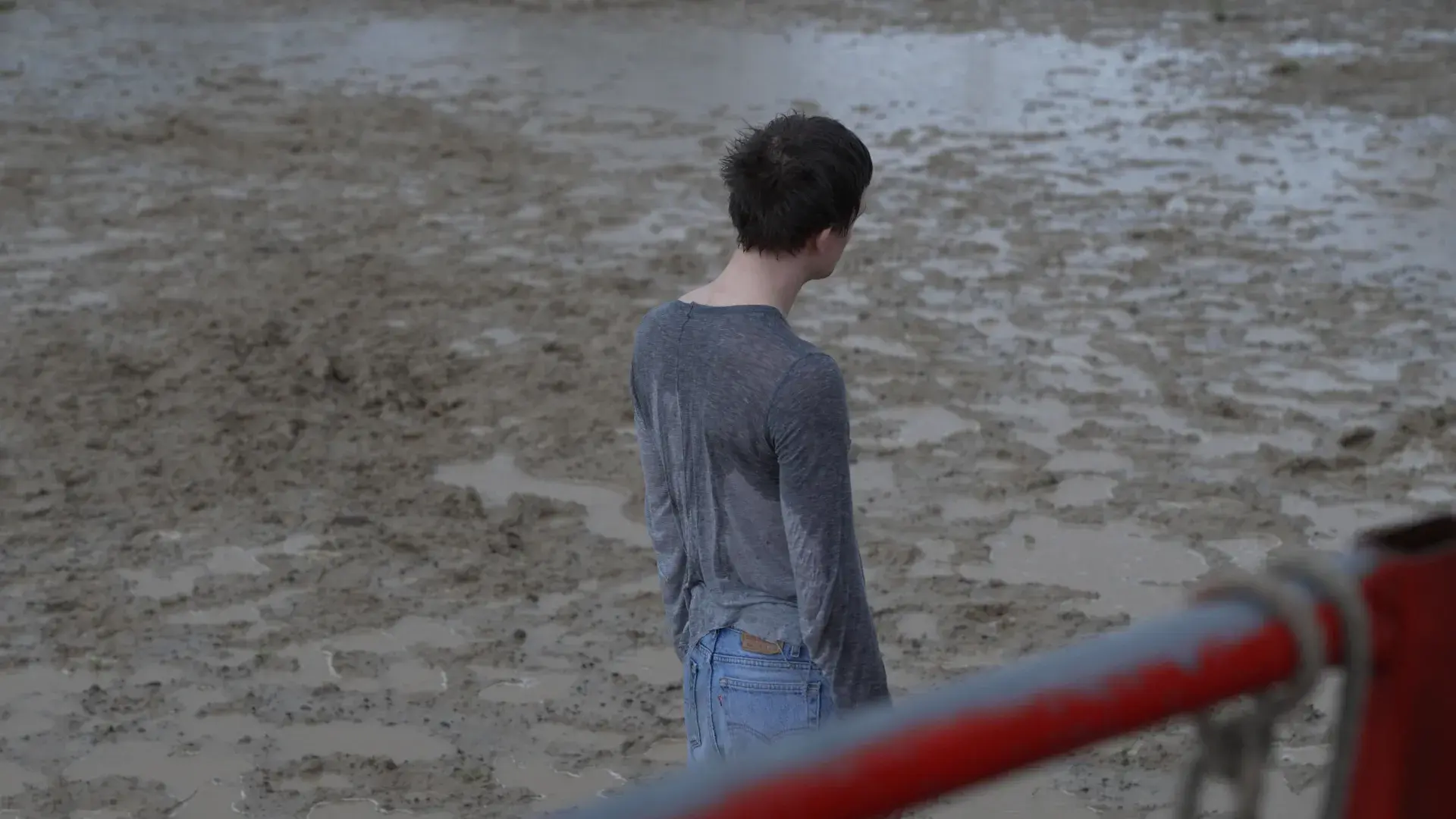
Carmen: Utopias of Belonging is an exhibition project centered on the video installation Carmen (2026) by Lithuanian artist Ieva Lygnugarytė, curated by Meral Karacaoğlan, presented in the historic Oratorio dei Crociferi in Venice.
The work emerges from historical research that brings to light a little-known episode from the early sixteenth century: the attempt by the Grand Duchy of Lithuania to offer Pope Leo X a stuffed European bison, accompanied by Nicolaus Hussovianus’ poem dedicated to the animal. The Pope’s death, however, prevented the gift from ever arriving, causing the event to disappear from official memory. Starting from this forgotten story, the artist develops a contemporary reflection on belonging, representation, and cultural hierarchies in Europe. In the film, the figure of the poet reappears as a symbol of a marginal voice seeking to reach the center of cultural power, while the protagonist gradually takes on the features of the bison, embodying identity, territory, and the desire for recognition. The choice of the Oratorio dei Crociferi deepens the meaning of the project. Removed from Venice’s main institutional art routes, the space becomes a metaphor for what remains on the margins, while simultaneously entering into dialogue with the cycle of paintings by Palma il Giovane preserved within it. The exhibition thus connects past and present, Venice and northeastern Europe, historical memory and current geopolitical tensions. A further point of reference is the Białowieża Forest, the historic habitat of the European bison and today a contested borderland between Poland and Belarus. This contemporary landscape introduces urgent questions related to borders, control, migration, and exclusion, making Carmen a timely reflection on the possibility of being seen, heard, and welcomed.
More than a simple exhibition, Carmen: Utopias of Belonging takes shape as a poetic and political inquiry into the fate of peripheral cultures and the forgotten narratives that continue to challenge the present.