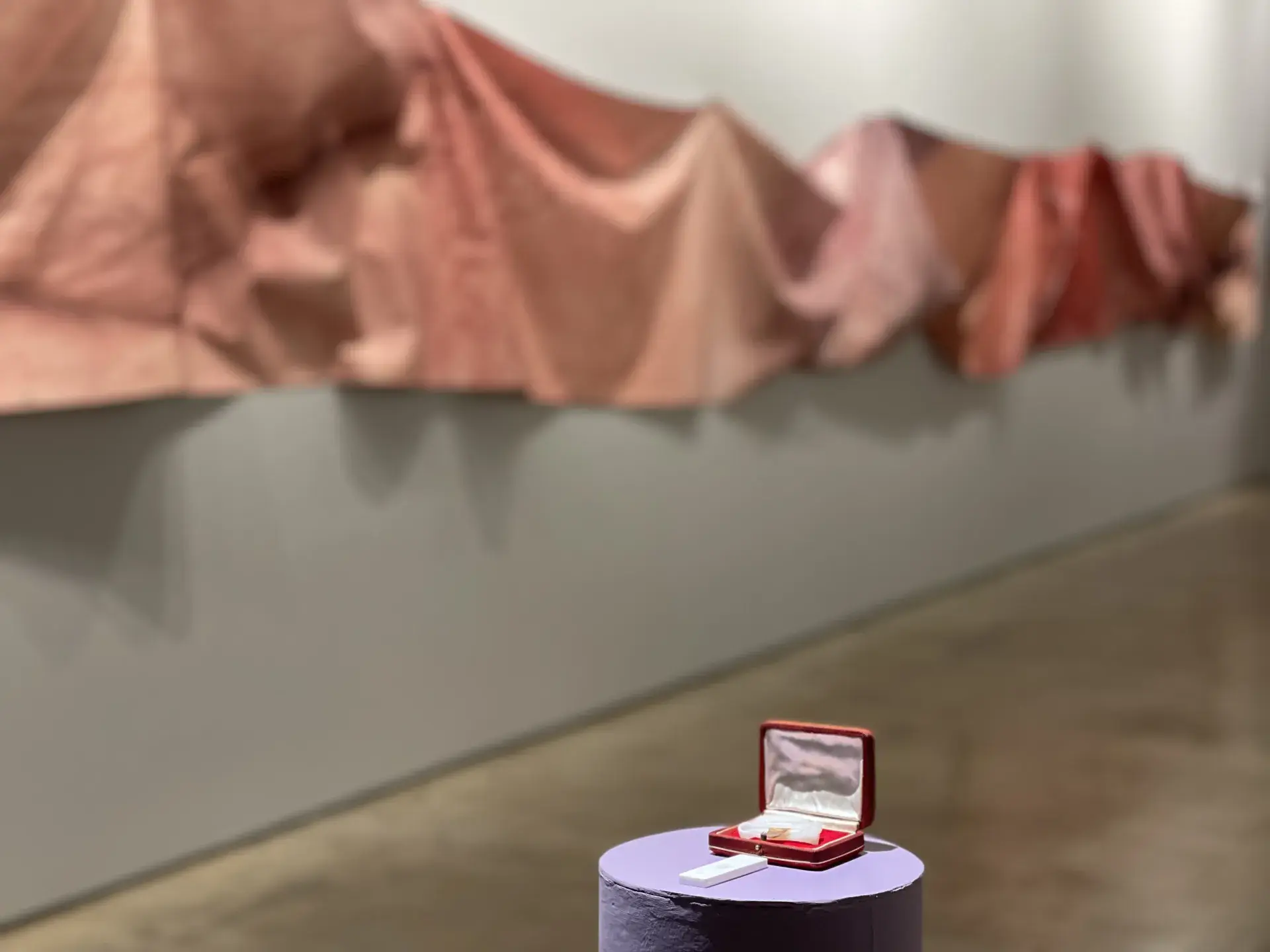
Throughout the history of art, the human body has always represented one of the primary areas of investigation for understanding humanity and its relationship with the world. From the ideal harmony of classical art to the anatomical centrality of the Renaissance, the body has long been imagined as a place of balance, beauty, and unity. In contemporary times, however, this vision is fractured and radically challenged. It is precisely within this fracture that the philosophical and semiotic research of contemporary Albanian artist Oltsen Gripshi finds its place. In the exhibition "Nudo," the body no longer presents itself as a whole, but as a broken, deformed, and sometimes incomplete presence. Fragmentation becomes a necessary language, an expressive choice born of the urgency to describe a complex and unstable existential condition. Through the body, Gripshi interrogates the crisis of contemporary identity, the traumas embedded in collective memory, and the tensions generated by today's society.
Presented at the Gallery of Contemporary Art in Tirana (GOCAT), the exhibition is both intimate and universal. The decomposition of the body reflects the artist's fractured sensibility in the face of contemporary social phenomena: a reality that can no longer be conveyed through harmonious and compact forms, but manifests itself as a trace, a wound, a residue. The body thus becomes the visible site of an internalized experience, marked by experiences that leave indelible imprints.